
Electric vehicles (EVs) are rapidly transforming the automotive industry, and advanced PCB assembly plays a critical role in this evolution. From battery management systems to power electronics, modern EVs rely on high-performance printed circuit boards (PCBs) for efficiency, safety, and reliability.
As the demand for electric vehicles grows, manufacturers are adopting innovative PCB assembly technologies to meet performance and space constraints. In this article, we explore the latest emerging technologies in PCB assembly that are shaping the future of electric vehicles.
Emerging PCB Assembly Technologies for Electric Vehicles
1. High-Density Interconnect (HDI) PCBs
HDI PCBs are designed to reduce the size and weight of electronic devices while increasing their functionality. In electric vehicles, where space optimization is critical, HDI technology allows more components to be integrated into compact designs, improving overall system performance.
2. Flex and Rigid-Flex PCBs
Flex and rigid-flex PCBs provide flexibility and durability, making them ideal for EV applications with complex layouts. These PCBs can be bent and shaped, allowing efficient use of space and improved design adaptability in modern electric vehicles.
3. 3D Printing in PCB Manufacturing
3D printing is revolutionizing PCB manufacturing by enabling the creation of complex structures that traditional methods cannot achieve. This technology enhances design flexibility and reduces production time, making it highly valuable in EV innovation.
4. Automated Optical Inspection (AOI)
AOI uses advanced cameras and software to detect defects in PCB assemblies. In EVs, where reliability is crucial, AOI ensures high-quality production by identifying errors early and reducing failure risks.
5. Surface Mount Technology (SMT)
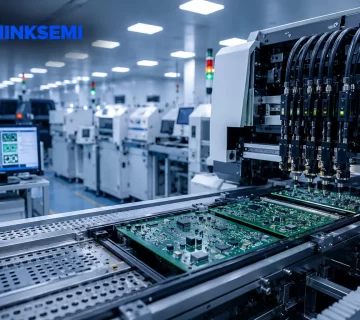
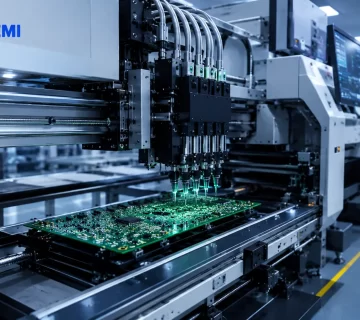
SMT enables smaller components to be mounted directly onto PCBs, improving efficiency and performance. This is especially important in EV systems where compact design and high functionality are required.
6. Embedded Components Technology
This technology integrates components directly into the PCB, saving space and enhancing performance. It is widely used in EV applications where compactness and efficiency are key priorities.
Applications of PCB Assembly in Electric Vehicles
- Battery Management Systems (BMS)
- Power Control Units
- Charging Infrastructure
- Infotainment Systems
- Safety & Sensor Systems
Why Advanced PCB Technologies Matter in EVs
- Improved energy efficiency
- Enhanced reliability
- Reduced size and weight
- Better thermal management
- Faster innovation cycles
Looking for Reliable PCB Assembly for Electric Vehicles?
Thinksemi Infotech provides high-quality PCB assembly solutions tailored for EV applications. Our advanced manufacturing processes ensure precision, reliability, and performance.
Frequently Asked Questions
Q1: What type of PCBs are used in electric vehicles?
HDI, rigid-flex, and multilayer PCBs are commonly used in EV applications.
Q2: Why is PCB assembly important in EVs?
It ensures efficient power management, system reliability, and overall vehicle performance.
Q3: What is AOI in PCB manufacturing?
AOI is an inspection method used to detect defects and improve quality in PCB production.

No comment